

I’ve been fascinated with the recent backlash over a long-time chain restaurant’s attempt to address financial pressures and gain relevance again in a very competitive restaurant market.
Cracker Barrel, which has been around for nearly 50 years, announced a logo and restaurant style change recently, and quickly the angst over the changes overshadowed the national news scene.
For many older Americans, Cracker Barrel doesn’t represent just a restaurant; it’s a ritualized slice of Americana—rocking chairs, peg games, country-store kitsch and a logo that telegraphed all of that at a glance. But the reality for the chain is that those core customers are aging and gradually shrinking.
When the company unveiled a stripped-down logo and broader modernization push, longtime guests seemed to feel the ground shift under a brand they’ve trusted for decades. The backlash quickly got framed as “woke vs. tradition,” but the evidence documented by several business analysts and publications shows a business-driven turnaround meant to stabilize sales and reach new customers—not a political statement.
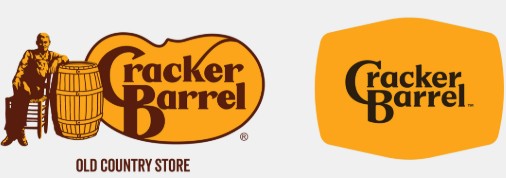
Cracker Barrel has been open about financial pressure and the need to “gain relevance again,” announcing a multi-year strategic transformation in 2024 that includes menu updates, store remodels, and brand refresh work. This was all well before the logo controversy, and were presented to investors as necessary to drive long-term value.
The logo change seems to represent a simplified, more adaptable design easier to scale for apps, signage and digital marketing, not a culture-war signal. However, the company has succumbed under the conservative backlash and announced it will reinstate the old logo.
The company has stressed continuity, noting that “our values haven’t changed,” and that familiar elements—from rocking chairs to legacy menu items—remain part of the experience. Leaders acknowledged they “could’ve done a better job” explaining the change, which is brand-management code about execution, not ideology.
So why the distress, especially among older guests?
First, fear of loss. Behavioral economics shows people are more sensitive to losing something beloved than gaining something new. For Boomers who grew up with the chain, the logo is a substitute for memories of road trips, family breakfasts and dependable stability.
Those emotions seem to have been quickly reframed as a political grievance, especially when public figures amplified it. In this case, high-profile criticism cast the redesign as capitulation, further stoking anxiety that familiar institutions are slipping away.
Seeing a simpler logo amid stories about “relevance” can read as “they’re changing everything,” even when the core experience remains. That fear response is understandable—but the company’s own investor relations filings and statements point to a pragmatic modernization to keep the doors open, not a political pivot.
The restaurant chain is simply trying to survive. But the controversy is also a warning sign to other struggling businesses that a branding or marketing misstep can lead to audience alienation – especially if the food or product quality declines.
Analysts say Cracker Barrel can survive, but it depends on how well the chain can reconnect emotionally with its core customers and demonstrate that the changes still reflect the brand’s core values. Then, there’s the main thing: show sustained financial improvement in upcoming earnings reports.
 Cindy Allen