

It may seem to many that the shift toward ultra-conservative or far-right political policies is recent and unique to the United States; however, broader trends of nationalism, anti-immigration sentiment and challenges to progressive norms have been taking place all across the world for some time.
Countries like France, Italy, the Netherlands, Austria and Germany are also experiencing these developments, which are influenced by a number of factors, such as economic concerns, immigration issues and cultural identity issues. The rise of ultra-conservative policies is shaping the political landscape across many nations.
What has been driving this change?
According to news reports, a key reason is the growing dissatisfaction with globalization, which many have associated with job losses, weakened national industries and eroded cultural identities. This dissatisfaction has been a key factor in President Donald Trump’s ascension to the presidency in 2020 and the resurgence of his popularity in the 2024 election. Americans are seeing the results of this dissatisfaction rolled out with tariffs and the rollback of progressive cultural policies.
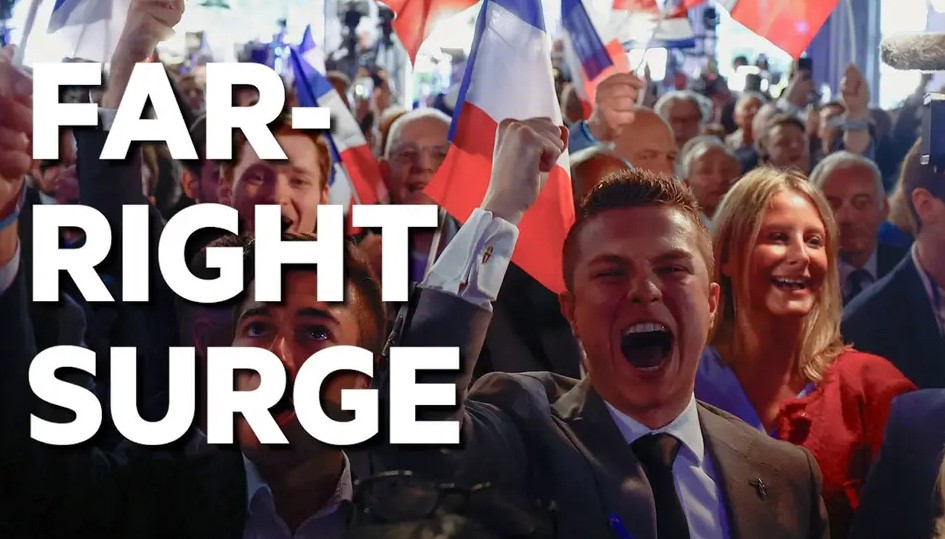
Photo From Business Insider
While economic inequality in the U.S. has made some working-class voters feel their daily struggles with inflation, housing and job security have been overlooked, a key driver in the 2024 re-election of Trump and the shift toward the election of more ultra-conservative candidates has been social and cultural anxiety due to rapid changes in gender norms, racial justice and LGBTQ rights. Many progressive policies in these areas have defied common sense; and to many voters, these policies represent a threat to traditional values, religious beliefs and national identity.
Anti-government sentiment has also been far-reaching across the world fueled by conspiracy theories, disinformation and political silo-ism amplified by social media. This global trend seems to reflect not just resistance to progressivism, but deeper societal tensions.
The consequences of the outright embrace of ultra-conservative policies are far-reaching. We could see the erosion of democratic norms, such as judicial independence and press freedom, which have already come under pressure in countries like Hungary, Poland and Israel.
We are seeing weakened international alliances with distrust toward international institutions like NATO, the UN and the EU growing among conservative-led governments. There’s an increase in culture-war politics focused on gender, race, sex, religion and education, and this fuels domestic division and erodes consensus-building on urgent global and economic issues.
Institutional legitimacy is eroding checks and balances, increased authoritarianism will further erode trusted and stable democratic institutions and science and health policies will increasingly be disregarded.
These global conservative shifts are a pendulum swing in response to decades of progressive gains. It appears this trajectory will continue unless traditional conservatives in the U.S. and across the world reclaim their influence within their conservative parties.
While many suggest the way to wrestle power in the Republican Party away from MAGA in the U.S. is to form strategic alliances across party lines or focus on recruiting and endorsing candidates who embody traditional Republican values, those strategies have had mixed results so far.
Building a strong grassroots network will be essential in influencing the GOP back to its traditional foundations. But that bottoms-up approach takes a lot of time and is gradual. That means those who identify as Republicans – but not MAGA – have a long road ahead.
 Cindy Allen