

The new movie Reagan, which was partially filmed in Guthrie, has been out a few weeks, and is showing widely in Oklahoma and elsewhere to mostly approving audiences.
The movie stars Dennis Quaid as the iconic Republican president, and audience reaction nationwide is highly favorable, scoring a whopping 97 percent on Rotten Tomatoes.
It’s really no surprise that the movie is scoring so highly because, most likely, those who are viewing it already have a high favorable memory of Ronald Reagan. When I saw it, the audience clapped several times during iconic scenes or speeches, particularly Reagan’s debate with incumbent President Jimmy Carter, and his humorous quip about age when he debated Walter Mondale for a second term.
While audience reaction is 97 percent favorable, critics reactions were only at 23 percent. Critics say there are several shortcomings. According to reviewers, it tends to glorify his achievements while glossing over significant controversies, such as the Iran-Contra affair and the limitations of “trickle-down” economics. All true; but the movie did touch on these issues, although briefly. The movie is a biopic, so it covered a lot of ground, mostly focusing on Reagan’s extreme dislike for the Soviet Union and communism.
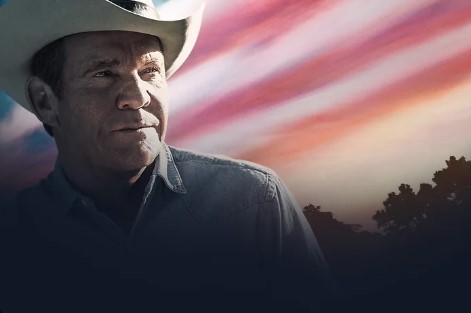
What I took away from the film is the different overall style of Reagan vs. this year’s GOP nominee former President Donald Trump. And, how those differences also define the traditional Republican party vs. the current GOP.
Reagan was revered as “The Great Communicator” and admired for his eloquent, optimistic and unifying tone. He delivered inspiring speeches that appealed to a broad range of Americans, invoking patriotism, hope and shared values. He could be tough in his rhetoric, but not hateful or combative.
Trump’s communication style is more confrontational, even though he is a populist like Reagan was. He speaks in direct, blunt terms, particularly on social media. Trump thrives on creating division between moderate voters and his base, using rhetoric that resonates with his supporters but often alienates others.
Reagan’s economic policy, known as “Reaganomics,” centered on supply-side economics. It included tax cuts, deregulation and reducing government spending to stimulate economic growth. Reagan believed that cutting taxes for corporations and the wealthy would lead to job creation and economic expansion.
Trump also favors tax cuts, particularly for businesses. The 2017 Tax Cuts and Job Act was his signature achievement. But Trump has focused less on reducing government spending. Deficits continued to bloat under his first administration. His policy focuses on economic nationalism including tariffs, and is a stark departure from Reagan’s free-trade policies.
Again, Reagan was very aggressive toward the Soviet Union, and the movie credits him for the dismantling of the USSR.
Trump’s foreign policy is marked by his “America First” doctrine. Unlike Reagan, Trump often questions U.S. involvement in global alliances such as NATO. He has pushed for troop withdrawals from conflict zones and wants to pursue more isolationist policies. His approach to Russia appears more conciliatory. That has led to many controversies for the former president.
In the 2024 campaign, Trump appears to be and is given more credit for being strong on immigration policy, primarily shutting down the U.S.-Mexican border. He’s making border security a cornerstone of his campaign and promoted the building of a wall in his presidency.
Today’s far-right GOP would likely condemn Reagan for being more moderate on immigration. He signed the Immigration Reform and Control Act of 1986, which granted amnesty to millions of undocumented immigrants while strengthening border enforcement. His approach was seen as compassionate, but it did not fully address the complexities of illegal immigration.
While Reagan was a populist for his time, today he would likely be labeled a RINO (Republican in Name Only) for his immigration policies. He was what I call a traditional conservative, working within the political system and winning battles across the political aisle. He didn’t view Democrats as personal enemies.
In today’s Republican Party, Reagan is still likely revered for his conservative legacy, as was evident in the audience when I went to see the movie. But his positions on key issues like immigration, bipartisanship, and global trade make him less aligned with the populist, nationalist direction the party has taken under Trump.
Reagan’s average approval rating during his presidency (1981–1989) was 52.8%, according to Gallup polling data. However, by the time he left office, his approval rating had soared to 63%, with even higher ratings in some individual polls. Trump is nowhere near those numbers in his first presidency or in his current campaign.
While Reagan’s core conservative principles remain relevant, his pragmatic and moderate style don’t seem to fully resonate with the current base.
I personally think the current GOP could use a little more education about Reagan and his policies.
 Cindy Allen