

Many movies have been made over the years about dystopian societies that strike similarities to societies issues facing contemporary issues.
Dystopian movies often address current social, political and ethical issues, such as totalitarianism, surveillance, inequality and the loss of individual freedoms. These themes seem to resonate with viewers and provoke thought about the world around them, and they imagine possible futures through a lens which audiences can reflect.
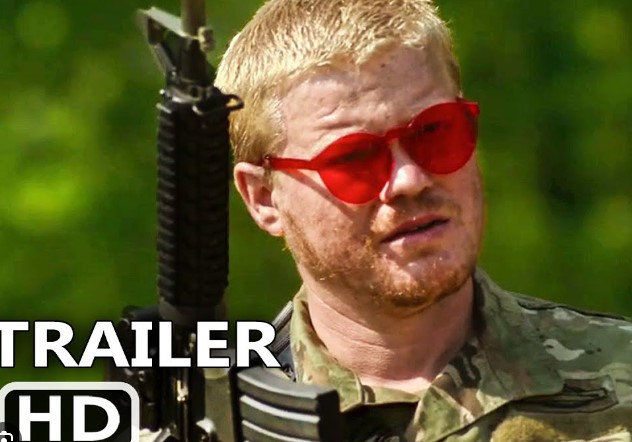
The new 2024 movie “Civil War,” showing in theaters now, certainly should cause audiences to pause and reflect on trends and potential consequences of our current political environment. The movie follows four journalists covering a destructive civil war in current or near-future United States.
The movie portrays extreme unrest and violence when two states – California and Texas – secede and take with them their own military forces, which are numerous and deadly. The reasons for the secession aren’t made clear in the movie, nor it is easy for the audience to tell who’s fighting who and if there are any “good guys or bad guys.” However, different parts of the country form their own alliances.
The movie does depict the United States in this turmoil under a “dictatorial” president who has disbanded the FBI and appointed a third term for himself. Other than that little detail, audiences can consider for themselves what the true issues are and what the real politics are behind this crisis.
The movie focuses on the role of journalism in covering this crisis. and it emphasizes the role of the press in a democracy and the trials faced by journalists in a world where the truth is often challenged, depending on the partisanship of the politicians and their followers.
A photo journalist, played by Kirsten Dunst, is a battle-torn war correspondent who has covered violent conflicts in other countries. She laments that she had hoped her coverage of those wars abroad would serve as a warning sign to the United States; however, she realizes audiences in the U.S. have been mostly complacent about civil unrest in other areas of the world.
She takes on the persona of what could be called a traditional journalist trying to serve as basically a “fly on the wall” to what is going on around her rather than confront the ethical and sensitive dilemmas of getting emotionally involved in the violence she witnesses. She doesn’t confront the evil – she documents it cold-heartedly.
The film taps into many of my own internal fears regarding a nation such as the United States turning into the kind of hell-hole of other countries without laws and which have no real identifiable leaders, and where citizens are led by ideological clans.
This is no Civil War of the 1860s where definitive battle lines and boundaries have been drawn. This is full-out bloodshed with no boundaries and no consequences. Could that really happen in the United States?
While the likelihood of such an event is considered very low, we, as citizens should ponder the many institutional barriers that have kept our society civil. These include our history of democratic government and institutions, our diverse and interconnected society, our well-established legal system and our highly interconnected economic structure. Plus, after having experienced a civil war in the past, you’d think we’d be aware of the devastating consequences of such a conflict, right?
However, many societal issues, political polarization and divisive politicians and influencers of today contribute to tensions that can lead and have led to violence. Many believe January 6, 2021 was the closest time in recent history our country has trembled on the brink of catastrophe.
It’s up to citizens, leaders and institutions to think constructively about the state of society and governance and work harder than they have been to keep our nation from fracturing into dangerous territory.
Many movies have been made over the years about dystopian
societies that strike similarities to societies issues facing contemporary issues.
Dystopian movies often address current social, political and
ethical issues, such as totalitarianism, surveillance, inequality and the loss
of individual freedoms. These themes seem to resonate with viewers and provoke
thought about the world around them, and they imagine possible futures through
a lens which audiences can reflect.
The new 2024 movie “Civil War,” showing in theaters now,
certainly should cause audiences to pause and reflect on trends and potential
consequences of our current political environment. The movie follows four
journalists covering a destructive civil war in current or near-future United
States.
The movie portrays extreme unrest and violence when two
states – California and Texas – secede and take with them their own military
forces, which are numerous and deadly. The reasons for the secession aren’t
made clear in the movie, nor it is easy for the audience to tell who’s fighting
who and if there are any “good guys or bad guys.” However, different parts of
the country form their own alliances.
The movie does depict the United States in this turmoil
under a “dictatorial” president who has disbanded the FBI and appointed a third
term for himself. Other than that little detail, audiences can consider for
themselves what the true issues are and what the real politics are behind this
crisis.
The movie focuses on the role of journalism in covering this
crisis. and it emphasizes the role of the press in a democracy and the trials
faced by journalists in a world where the truth is often challenged, depending
on the partisanship of the politicians and their followers.
A photo journalist, played by Kirsten Dunst, is a
battle-torn war correspondent who has covered violent conflicts in other
countries. She laments that she had hoped her coverage of those wars abroad
would serve as a warning sign to the United States; however, she realizes
audiences in the U.S. have been mostly complacent about civil unrest in other
areas of the world.
She takes on the persona of what could be called a
traditional journalist trying to serve as basically a “fly on the wall” to what
is going on around her rather than confront the ethical and sensitive dilemmas
of getting emotionally involved in the violence she witnesses. She doesn’t
confront the evil – she documents it cold-heartedly.
The film taps into many of my own internal fears regarding a
nation such as the United States turning into the kind of hell-hole of other
countries without laws and which have no real identifiable leaders, and where
citizens are led by ideological clans.
This is no Civil War of the 1860s where definitive battle
lines and boundaries have been drawn. This is full-out bloodshed with no boundaries
and no consequences. Could that really happen in the United States?
While the likelihood of such an event is considered very
low, we, as citizens should ponder the many institutional barriers that have
kept our society civil. These include our history of democratic government and
institutions, our diverse and interconnected society, our well-established
legal system and our highly interconnected economic structure. Plus, after
having experienced a civil war in the past, you’d think we’d be aware of the
devastating consequences of such a conflict, right?
However, many societal issues, political polarization and
divisive politicians and influencers of today contribute to tensions that can
lead and have led to violence. Many believe January 6, 2021 was the closest
time in recent history our country has trembled on the brink of catastrophe.
It’s up to citizens, leaders and institutions to think
constructively about the state of society and governance and work harder than
they have been to keep our nation from fracturing into dangerous territory.
 Cindy Allen